Enterprise Capability Readiness Assessment
Is your enterprise ready for what comes next?
Understand whether your organization's strategy, leadership, operating models, technology, governance and workforce capabilities are aligned with the demands of its future business environment. Identify capability strengths, readiness gaps and areas requiring strategic attention.
Why enterprise capability readiness matters
Future performance depends on capabilities developed today.
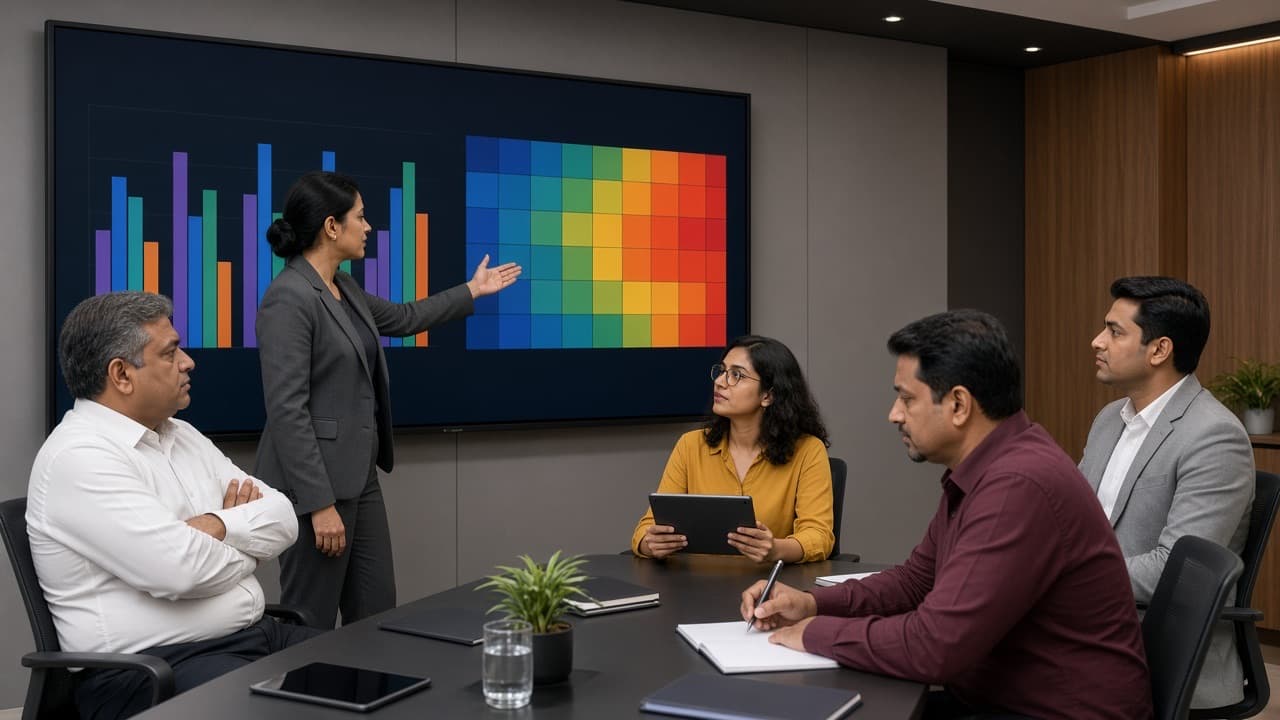
Organizations often have to respond to change before its full impact is visible, and existing structures were not designed for what comes next.
Change arrives first
New technology, customer expectations, business models, regulation and workforce shifts create requirements existing structures were not built for.
Talent alone is not enough
Talented people and established processes can still lack the integrated capabilities future business demands require.
Readiness reveals the gap
It shows which capabilities may be needed, how they align with strategy, which enablers need attention and where to prioritize investment.
Business value
What will ECRA help your organization understand?
- 01
Strategy fit
Whether current organizational capabilities support future business strategy.
- 02
Capability gaps
Where critical capability gaps exist.
- 03
Leadership and governance
Whether leadership and governance structures support future requirements.
- 04
Technology and operating model
Whether technology and operating models are aligned with business priorities.
- 05
Strengthen or transform
Which capabilities require strengthening or transformation.
- 06
Investment priorities
Where to prioritize capability development investments.
Four levels
Assess readiness at the level you make decisions at.
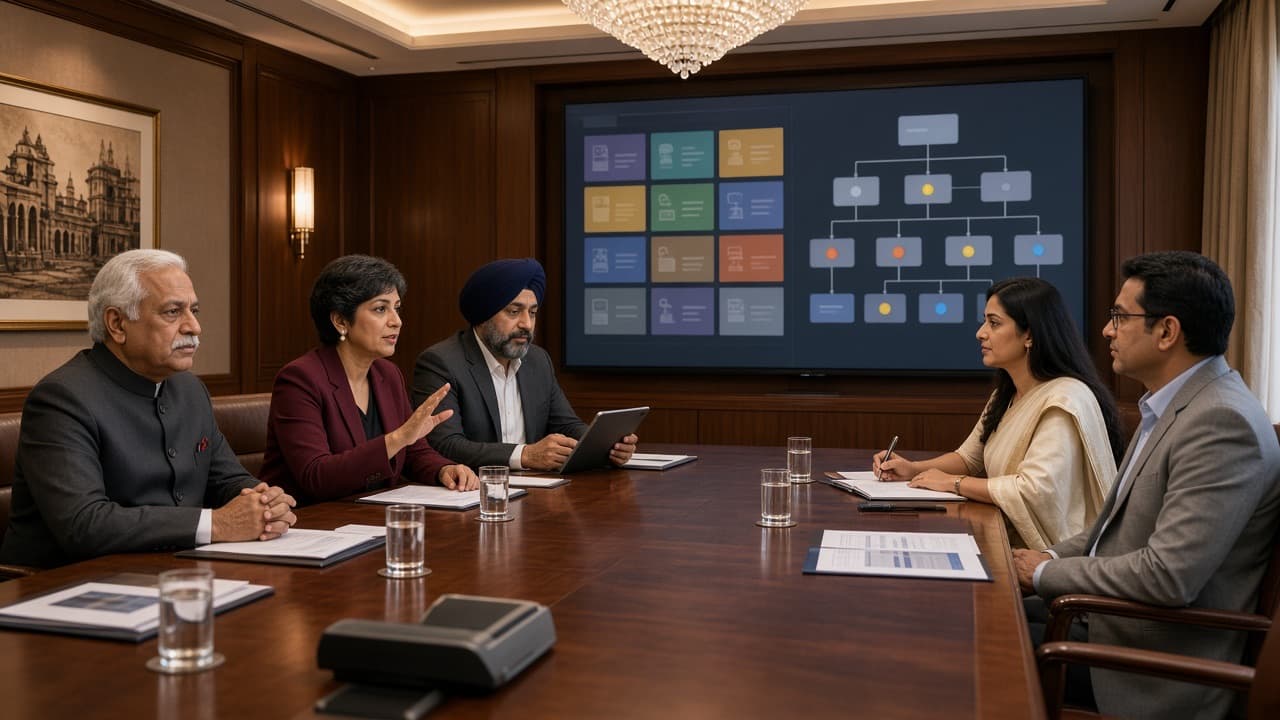
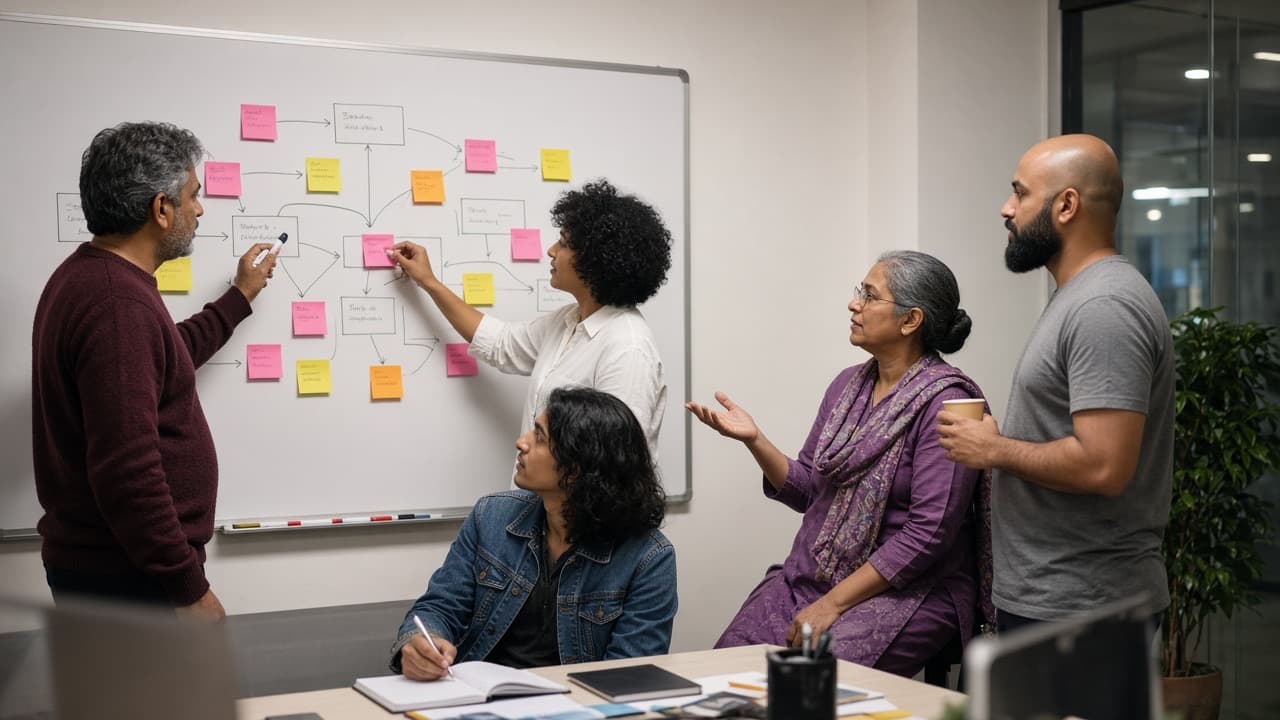
Future readiness is not determined by individual skills alone. It depends on how effectively capabilities are developed and applied across the organizational levels where strategic, operational and workforce decisions are made.
- Level 1EnterpriseAssess enterprise-wide capability readiness, strategic alignment and future operating requirements.Explore
- Level 2Business Unit / OrganizationExplore the readiness of a business unit or organizational entity to deliver future business outcomes.Explore
- Level 3Function / Capability AreaExamine readiness within a function, capability group or strategic transformation area.Explore
- Level 4Leaders / RolesExplore role-specific competence, workforce readiness and capability development needs.Explore


What it examines
Future requirements, current readiness.
It links future requirements to capability models, competence blueprints and readiness questions, giving participants and authorized stakeholders a clearer view of strengths, gaps and areas needing attention.
Depending on the assessment scope, ECRA may examine:
- 01
Future organizational capability requirements.
- 02
Strategic alignment and business relevance.
- 03
Leadership and organizational enablers.
- 04
Operating models, processes and governance.
- 05
Technology and infrastructure readiness.
- 06
Workforce capabilities and enabling competencies.
- 07
Collaboration, innovation and adaptability.
- 08
Current demonstrated competence and supporting evidence.
Who should use ECRA
Built for the leaders who shape what comes next.
- 01Enterprise leaders
Understand whether the enterprise has the capabilities to execute its future strategy.
- 02Business and functional leaders
Identify organizational readiness gaps that could affect transformation priorities and execution.
- 03Team and workforce leaders
Connect workforce capabilities, organizational design and talent priorities with future business requirements.
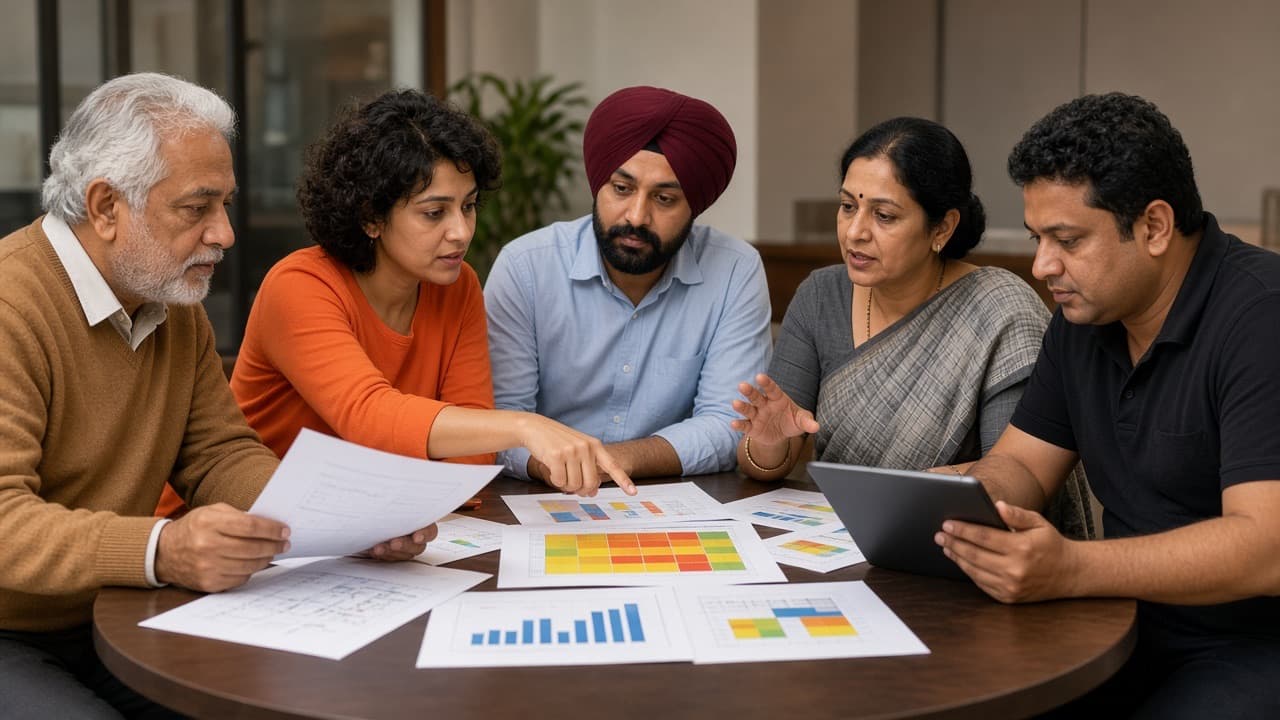
ECRA helps connect these perspectives by examining readiness against defined future capability requirements, organizational context and competence blueprints.
What you get
If I undertake ECRA, what do I actually get?
Enterprise capability vs. individual competence
Understanding the relationship.
Enterprise capability and individual competence are closely related, but they are not the same.
Enterprise capability
Enterprise capability is what an organization is collectively able to do to achieve a defined business outcome. It depends on the alignment and interaction of people, processes, technology, governance, leadership, culture, collaboration and operating models.
Individual competence
Individual competence is what a person knows, understands and can demonstrate in a particular context. It may include knowledge, technical skills, practical experience, judgment, behaviours, leadership and collaboration.
Individual competence is an enabling component of enterprise capability. However, enterprise capability cannot be established through individual competence alone.
Where we draw the line
What ECRA is, and what it is not.
ECRA is designed to support readiness exploration and capability-related decision-making. ECRA is not, by itself:
- Not a training program.
- Not a performance appraisal.
- Not a guarantee of future organizational performance.
- Not a substitute for a comprehensive organizational diagnosis.
- Not proof of enterprise-wide readiness based solely on individual responses.
Interpretation should consider the assessment level, participation, evidence quality, organizational context and limitations of the assessment design.




Send us a message
All fields are required. We only use these details to reply to you.